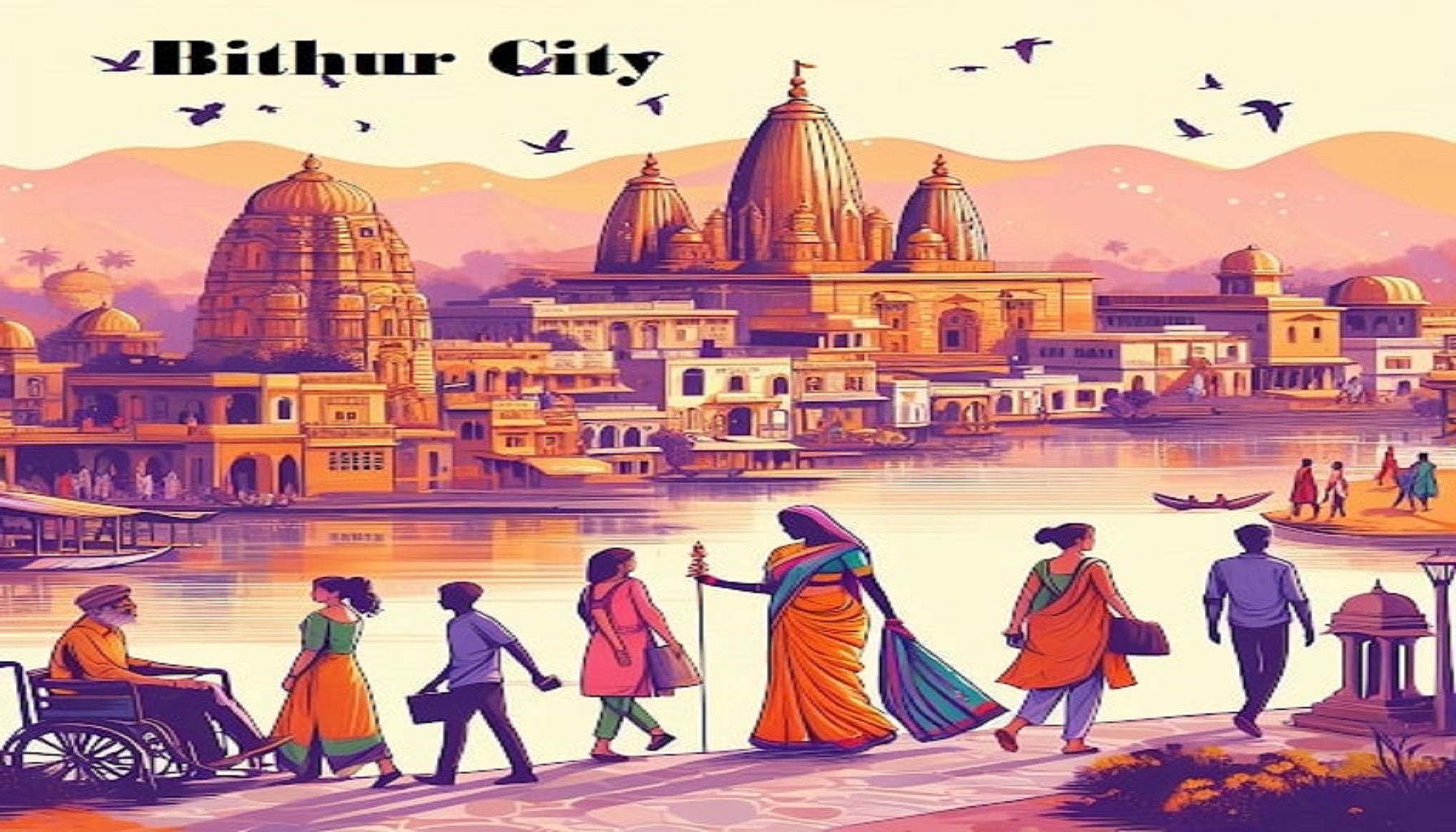
Introduction to Bithur City
Bithur is a small town in Uttar Pradesh, India. It’s about 23 kilometers from Kanpur, a major city. Bithur sits on the Ganges River’s right bank. This town is not just a place on the map; it’s a chapter in India’s history book.
Historical Significance
Bithur played a big role in the 1857 Indian Rebellion. It was a key spot for freedom fighters like Nana Sahib and Rani of Jhansi. These leaders fought against British rule. The Siege of Cawnpore was a major event here. After the British won, they destroyed many parts of Bithur. This town reminds us of the bravery and struggles for India’s freedom.
Demographics
Bithur is a mix of different people. As of the 2001 census, about 9,647 people lived here. Let’s break down the population:
|
Aspect |
Details |
Description |
|
Total Population |
9,647 (as of 2001) |
Bithur is a small town with a close-knit community. |
|
Gender Ratio |
55% Male, 45% Female |
More men than women live in Bithur. |
|
Literacy Rate |
62% |
This is higher than India’s average. It means most people here can read and write. |
Religious and Cultural Importance
Bithur is a spiritual hub. Most people here follow Hinduism. The town has many temples and is linked to ancient stories. It’s said to be where Sita, a goddess, went back to the earth. Festivals and religious events are big here. They bring the community together and keep traditions alive.
Education in Bithur
Education is important in Bithur. The town has schools and colleges. Here’s a quick look:
|
Aspect |
Details |
Description |
|
Schools and Colleges |
Several |
Bithur offers basic to higher education. |
|
Literacy Rate |
62% |
Higher than the national average, showing the focus on education. |
Healthcare Services
Healthcare in Bithur is growing. There are clinics and small hospitals. They provide basic health services to the people. The town is working on improving its healthcare facilities.
Bithur is a town rich in history and culture. It’s a place where the past meets the present. From its role in India’s fight for freedom to its spiritual significance, Bithur has many stories to tell. Its focus on education and healthcare shows its commitment to a better future. Bithur may be small, but its heart and history are big.
Banking and Financial Services
In Bithur, banks and financial institutions play a significant role in the local economy. They provide essential financial services to the residents and support businesses. People can save their money, take loans for various purposes, and invest in financial products.
|
Aspect |
Details |
Description |
|
Banking Services |
Available |
Bithur has several banks, making it convenient for people to access financial services. |
|
Financial Support |
Loans and Investments |
Banks offer loans for businesses and personal needs. People can also invest in savings accounts and fixed deposits. |
Economic Activities and Income Sources
Understanding the economic activities and income sources of Bithur helps us see how the town sustains itself. Here’s an overview:
|
Aspect |
Details |
Description |
|
Major Income Sources |
Agriculture, Business |
Agriculture and small businesses are the primary sources of income for the people of Bithur. |
|
Role of Agriculture |
Crop Farming |
Agriculture is the backbone of Bithur’s economy. The fertile lands yield crops that contribute to both local consumption and trade. |
|
Local Businesses |
Small Shops and Services |
Local shops, such as grocery stores and small services, provide livelihoods for many residents. |
Natural Resources and Agriculture
Bithur is blessed with various natural resources, and agriculture is a significant part of its economy. Here’s a closer look at these aspects:
|
Aspect |
Details |
Description |
|
Natural Resources |
Fertile Land, Water Resources |
Bithur’s fertile land and access to water resources like the Ganges River support agriculture. |
|
Agricultural Practices |
Crop Cultivation |
The town practices crop cultivation, growing various grains, fruits, and vegetables. Agriculture is a way of life here. |
|
Contribution to Economy |
Local Consumption and Trade |
Agriculture not only feeds the local population but also contributes to trade, boosting the town’s economy. |
Political Landscape
Understanding the political landscape of Bithur is crucial to grasp its governance and decision-making processes:
|
Aspect |
Details |
Description |
|
Local Governance |
Municipality |
Bithur operates under a municipality, which manages local affairs and services. |
|
Historical Influence |
Freedom Fighters |
The town’s history of being a hub for freedom fighters like Nana Sahib continues to shape its political identity. |
Transportation and Connectivity
Bithur’s transportation and connectivity play a vital role in its development and accessibility:
|
Aspect |
Details |
Description |
|
Transportation Modes |
Road, Rail, and Air |
Bithur is well-connected through roadways, with a nearby railway station and an airport under development. |
|
Local Transportation |
Buses |
While Bithur itself doesn’t have a bus station, it’s connected to various localities in Kanpur. |
Tourist Attractions and Landmarks
Bithur boasts numerous tourist attractions and landmarks that draw visitors and contribute to the local economy:
|
Aspect |
Details |
Description |
|
Major Tourist Spots |
Valmiki Ashram, Brahmavart Ghat |
These sites are not only of historical significance but also attract tourists seeking spiritual experiences. |
|
Cultural Significance |
Ramayana Connection |
Bithur is linked to the Ramayana, making it culturally important for Hindus. |
|
Modern Attractions |
ISKCON Temple, Siddhidham Ashram |
Contemporary attractions add diversity to the town’s tourist offerings. |
Conclusion
Bithur City’s economic and developmental aspects reveal its resilience and potential for growth. From banking and income sources to natural resources and transportation, this town strives for progress while preserving its cultural heritage. Bithur’s political landscape reflects its historical significance, and its tourist attractions continue to enchant visitors. With a focus on development and connectivity, Bithur aspires to a promising future while cherishing its roots.